For Affordable Clean Energy and Resiliency Financing in NJ, visit NJPACE.org

In conjunction with the NJEDA’s launch of the Garden State C-PACE Program, in August 2025, we have updated our new website, NJPACE.org, which replaces NewJerseyPACE.org (archived here). We’ve removed most of the material dating back a dozen years to focus on the new Garden State C-PACE Program being rolled out by NJEDA. Commercial Property Assessed Clean Energy—which actually covers not only the usual office, retail, and industrial, but also multifamily, agricultural, and nonprofit/institutional properties like churches, schools, hospitals, and so on—has the potential of bringing billions of dollars of investments in energy efficiency, renewables, and resiliency in the Garden State.

It’s worth revisiting some of this history if only to understand what shaped our thinking about the program over the many years we advocated for it. I first heard about PACE (Property Assessed Clean Energy) in 2011 from a group in California asking if we would support them in their effort to get Residential PACE accepted by the Federal Housing Financing Agency, which was working to stop it from being used with federally mortgaged housing. At the time, I was working with Fairleigh Dickinson University on small-scale hydro with a member of the New Jersey Legislature, then-Deputy Speaker of the Assembly, Upendra Chivukula. Chivukula, who has a Master’s Degree in Electrical Engineering, is now a Commissioner on NJ’s Board of Public Utilities.

Continue reading →

How to Relocate Safely and Secure Your Remote Work Amid Climate Change

By Dean Burgess

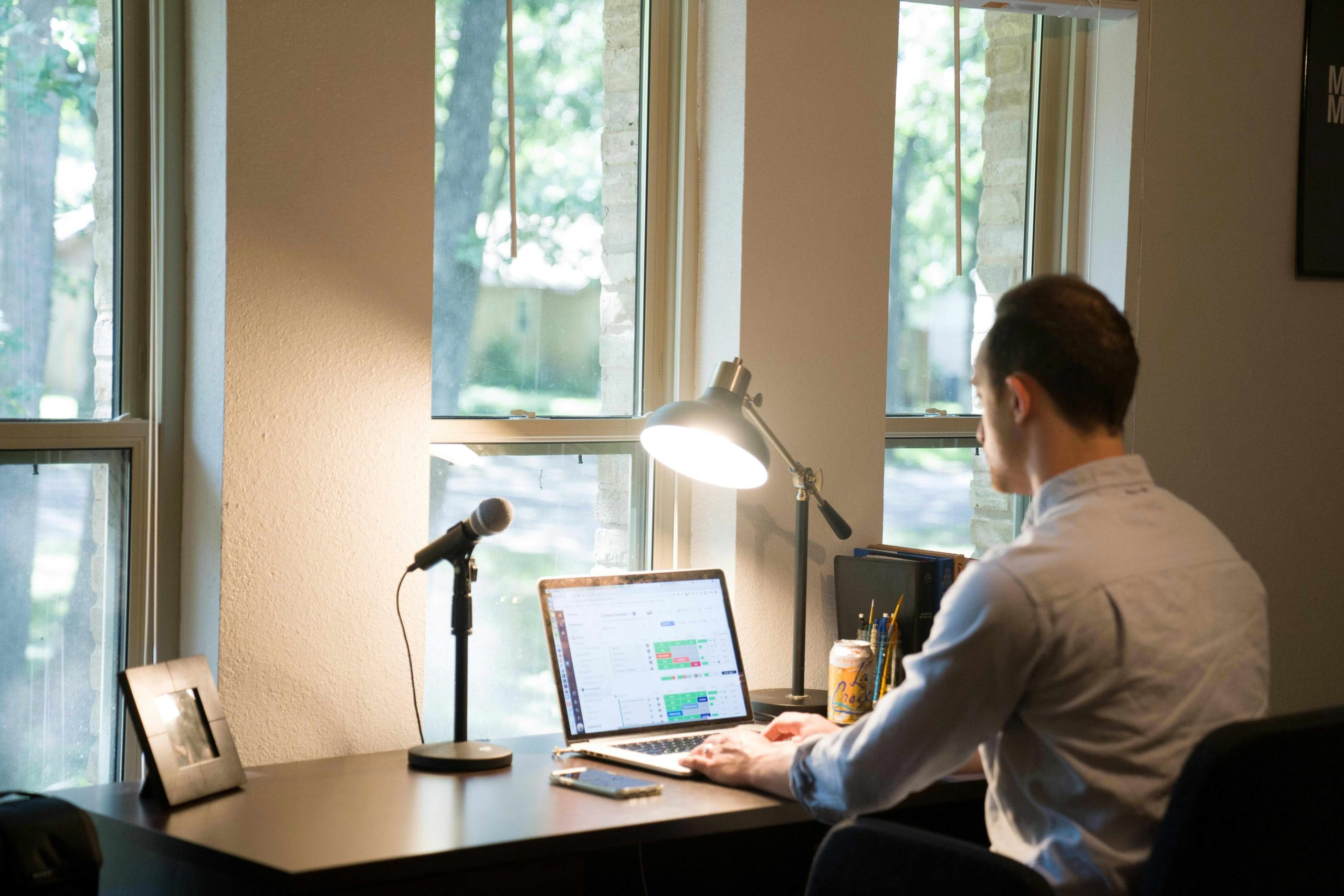
Remote workers with steady work-from-home routines are starting to face a new kind of career risk: climate-driven relocation that can disrupt housing, connectivity, and daily reliability. The tension is real, staying put may feel simpler, but waiting for the next emergency can force rushed decisions that threaten work-from-home stability. With thoughtful relocation planning focused on climate resilience and safe living environments, moving can become a protective choice instead of a scramble. The goal is simple: a safer home base that keeps remote work steady.

Quick Summary: Relocate Safely and Keep Work Secure

Continue reading →

How to Start a Successful Eco-Friendly Pet Care Business

By Oliver Lambert

For local pet groomers, walkers, sitters, and boutique retailers looking to launch or expand, an eco-friendly pet care business offers a clear way to compete in a crowded market. The challenge for new pet care business owners is balancing convenience and cost with rising expectations for responsible sourcing, low-waste operations, and animal-safe standards. Sustainable entrepreneurship turns that tension into an advantage by aligning day-to-day decisions with customer values and long-term efficiency. With the right green business practices, environmentally conscious pet services can earn trust quickly and build a brand people feel good supporting.

Set Up Your Eco-Friendly Pet Care Business

Continue reading →

How Green Careers Are Changing Every Industry and How You Can Join In

By Oliver Lambert

Students choosing majors, mid-career professionals considering a pivot, and hiring managers updating job descriptions are seeing the same shift: green careers growth is no longer confined to energy or conservation. The challenge is that eco-friendly job roles and environmental responsibility jobs often hide inside familiar titles, making it hard to tell which skills matter and where the opportunities are real. As the sustainability impact across industries accelerates, more teams are expected to reduce waste, manage resources responsibly, and report progress in plain business terms. A clear view of the career shift to sustainability helps people spot where their industry is changing and what that change demands.

Understanding Sustainability in Everyday Business

Continue reading →

How to Remodel Your Home Into an Eco-Friendly Smart Haven

By Dean Burgess, Excitepreneur

New Jersey community members, climate-minded homeowners, and sustainable entrepreneurs are starting to question the environmental impact of traditional homes that leak energy, rely on outdated systems, and still feel drafty, noisy, or hard to manage day to day. The core tension is real: caring about sustainability can clash with tight budgets, limited local guidance, and the frustration of adapting to unfamiliar technology. Eco-friendly smart home remodeling offers a practical way to shrink home comfort and energy use down to what’s needed, without turning everyday living into a constant compromise. With the right foundation, a home can feel calmer, run cleaner, and waste less. Continue reading →

How Everyday Work Habits Can Boost Your Career and Help the Planet

By Dean Burgess, Excitepreneur

Environmental advocates and community planners often carry climate anxiety into the workday, then hit a familiar wall: big goals, tight budgets, and slow coordination can make impact feel distant. The challenge isn’t caring, it’s translating that urgency into choices that fit real calendars, real teams, and real constraints. Sustainable work habits make progress visible and repeatable, while technology for sustainability can turn routine decisions into measurable momentum. The payoff is steadier confidence, stronger credibility at work, and a more consistent positive environmental impact.

Quick Summary: Career Growth Through Sustainability

Continue reading →

The Possible Planet Lab and Planetary Intelligence

From PossiblePlanetLab.org:

Our mission is to “Unleash artificial intelligence in service of life: to repair ecosystems, deepen human flourishing, and expand opportunity equitably across communities and species. We choose technologies that regenerate, policies that protect, and practices that bind us back into mutual belonging with the living Earth.”

We live inside a paradox. Our species has been capable of both the most profound creation and the most grievous harm: luminous works of art, soaring cathedrals, and brilliant science sit beside deforested landscapes, polluted waters, and a destabilized climate. The same human imagination that built cathedrals also designed systems that externalize costs onto other beings and future generations.

Continue reading →

How Remote Work Is Quietly Reshaping Our Environmental Footprint

Photo by Ian Harber on Unsplash

By Dean Burgess, Excitepreneur

When millions began working from home, few realized that the shift might quietly redefine our personal relationship with the planet. Commuter traffic thinned, cities grew quieter, and households began humming with a different kind of energy demand. Today, as hybrid and fully remote work become the norm, the environmental consequences—both positive and complex—are coming into focus.

Key Takeaways at a Glance

  • Remote work drastically reduces daily commuting emissions but increases home energy usage.
  • Household electricity and heating patterns now shape individual carbon footprints more than travel.
  • Paperless workflows and digital tools can meaningfully cut waste.
  • Eco-friendly home offices multiply the benefits of remote work when combined with renewable energy and efficiency upgrades.
  • Sustainability is not automatic—it depends on conscious personal choices.

The Double-Edged Carbon Equation

Continue reading →

Digital Habits That Shrink Your Carbon Footprint

Image: Freepik

By Dean Burgess, Excitepreneur

We often think of “carbon footprints” in terms of cars, flights, and food. But there’s another, less visible layer — the digital one. Every photo stored in the cloud, every unused app syncing in the background, and every extra device left on standby quietly contributes to global CO₂ emissions. Digital minimalism isn’t just about decluttering your inbox — it’s environmental action disguised as everyday choice.

Core Points

Mind your bytes. Reduce digital waste by:

  • Extending device lifespans
  • Limiting unnecessary data storage
  • Choosing green tech and power settings
  • Recycling responsibly

Start with an audit → pick three changes → track your impact for 30 days. Continue reading →

Ecopreneurship Isn’t a Trend. It’s a Redesign.

Image via Pexels

By Meredith Jones, FineTimes.org

You don’t start an ecopreneurial business to make a splash. You start one because something about the system doesn’t sit right, and you’d rather rebuild the rules than keep pretending they work. These are not ventures that ride waves of green hype. They’re reengineering entire assumptions — about profit, waste, value, and scale. Sometimes that work looks unglamorous. Sometimes it moves at a crawl. But make no mistake: it is a form of engineering. And its product is a future where business isn’t something we apologize for — it’s something we rely on to repair what’s been broken.

Building With Boundaries, Not Buzzwords

Before the product, before the pitch deck, before the first logo sketch, there’s a choice: to build within ecological limits instead of around them. For true ecopreneurs, this choice isn’t aesthetic. It’s structural. The entire operation forms around entrepreneurial ventures that prioritize sustainability from day one — in supply chain contracts, in packaging specs, in hiring policy. It forces questions that other startups delay. Can we source this locally without wrecking margins? Will this material compost in 12 weeks or 12 years? Where most businesses stretch outward, these tighten in. And paradoxically, that’s where their flexibility begins. Continue reading →

Planning a Stylish, Sustainable Wedding Without Compromise

Image by Freepik

By Dean Burgess, Excitepreneur

Choosing sustainability for your wedding doesn’t mean sacrificing elegance. It means caring—about waste, about impact, about memories that last beyond the day. Whether you’re deep in planning or just beginning, there are grounded, effective ways to reduce environmental strain while honoring your values and keeping things visually stunning. This guide walks through seven essential decisions, each with a practical shift that cuts excess without cutting style. You don’t need to reinvent your wedding. Just rethink the standard defaults.

Rethink Where and How You Host

Continue reading →